January 15, 2026
Some questions feel important the moment you hear them.
Others barely register at all.
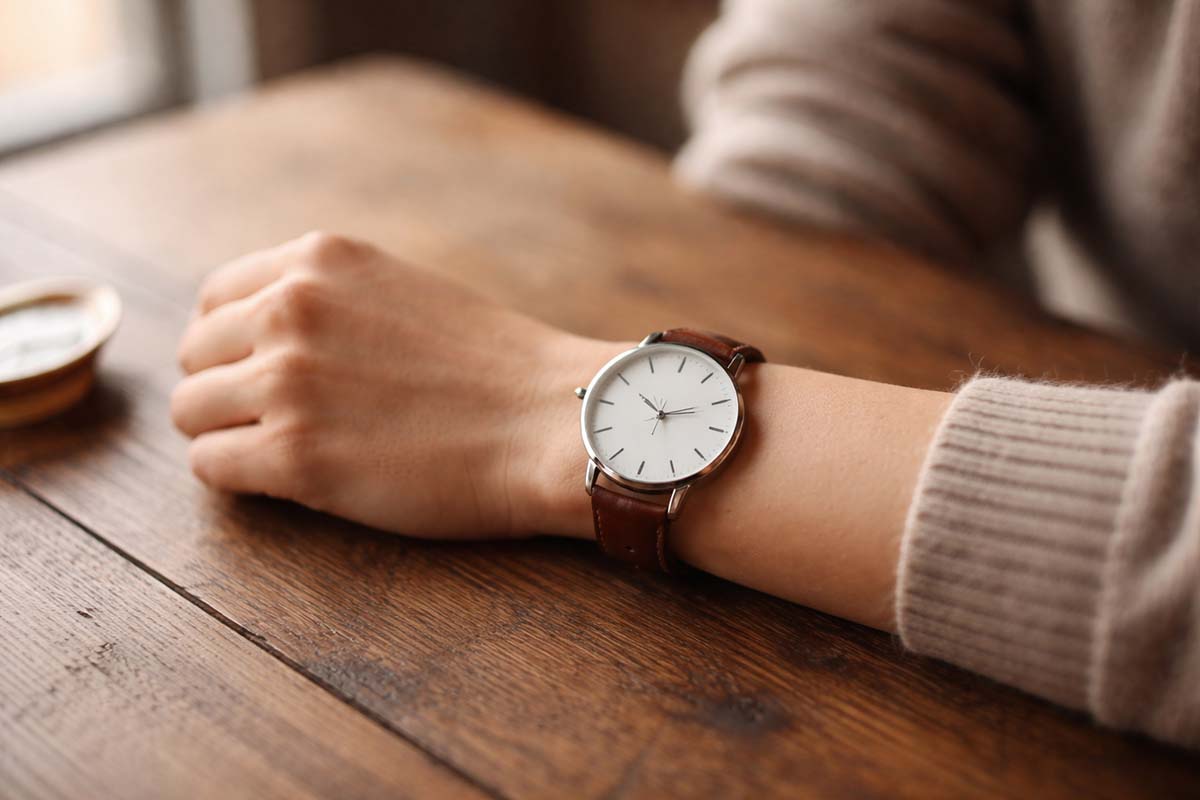
Which wrist do you wear your watch on?
It is an ordinary question. The kind you answer without thinking. But those are often the ones worth slowing down for. Because the smallest habits tend to tell the truth the fastest.
Where we put things. How we reach for them. What we do on autopilot. All of it quietly reveals what we pay attention to, even when we are not trying to say anything at all.
I have worn my watch on my right wrist for as long as I can remember. Not because I decided to, but because I am predominantly left handed and it felt practical. Same with the pocket I keep my phone in. Same with a dozen other small, unexamined choices that became habits somewhere along the way.
Thought of the Day
“Pay attention to what you pay attention to.” — Howard Rheingold
This thought sounds almost obvious when you first read it. Of course attention matters. Of course what we focus on shapes our experience. We nod, agree, and move on.
But most of our attention is not chosen. It is inherited. It is trained. It is pulled by habit, urgency, and repetition.
We tend to believe we are paying attention to what matters most, when in reality we are often paying attention to what is loudest, easiest, or most familiar. The inbox. The notification. The same loop of thoughts we have already thought a thousand times. None of it is malicious. It is just default behavior.
The quiet danger is that attention compounds. What we notice gets reinforced. What we revisit gains weight. What we leave unquestioned becomes the background against which everything else is judged.
This is why small shifts in attention can feel disproportionately powerful. Not because they fix everything, but because they change what we are feeding. When you start noticing where your mind goes when it is bored, stressed, or tired, patterns begin to surface. And patterns tell the truth without commentary.
I have written before about how often the most meaningful insights are hiding in plain sight, like in Thought of the Day: The biggest opportunities are usually hiding in plain sight. Attention is usually the missing ingredient. Not effort. Not discipline. Just awareness.
This thought is not asking you to fix your focus. It is asking you to notice it. To gently observe where your attention naturally lands throughout the day. On what drains you. On what steadies you. On what you return to when nothing is demanding your focus.
Paying attention to your attention is not about control. It is about clarity. And clarity tends to change things on its own.
Question of the Day
Which wrist do you wear your watch on? Why?
You might have a clear answer. Or none at all. Maybe it was a decision you made once and never revisited. Maybe you copied someone else without realizing it. Maybe it just felt right and stayed that way.
That is the real invitation today. Not to change your watch wrist, but to notice how many things in your life operate the same way.
There are dozens of small decisions we make once and then stop thinking about. The route we drive. The order we check apps. The side of the bed we sleep on. The pocket we reach into first. None of them feel important on their own, but together they shape how our days actually feel.
I am thinking about moving my watch to my left wrist for a while. Not because anything is wrong, but because I am curious what might happen when I interrupt the autopilot. Even a small disruption forces attention. And attention tends to wake things up.
This question pairs naturally with an older one I asked in Question of the Day: What’s the smallest thing that can ruin your day. Small things have more influence than we give them credit for. For better or worse.
You do not need to change anything today. You just need to notice. That alone is enough.
If you want these small pauses delivered once a day, you can join the daily email where the Thought of the Day and Question of the Day arrive together by signing up for the daily newsletter.
Leave a Reply